Sheikh Hamdan was also given an update about the implementation timeline for major road infrastructure projects scheduled for completion by 2027
The dynamic parking fees introduced by Dubai’s Roads and Transport Authority (RTA) has helped reduce traffic volumes by 2.3 per cent and boosted public transport usage by one per cent, according to figures released by the authority.
It was earlier revealed that the dynamic toll charged contributed to a nine per cent decline in traffic volumes on Sheikh Zayed Road. The move also boosted public transport ridership by four per cent.
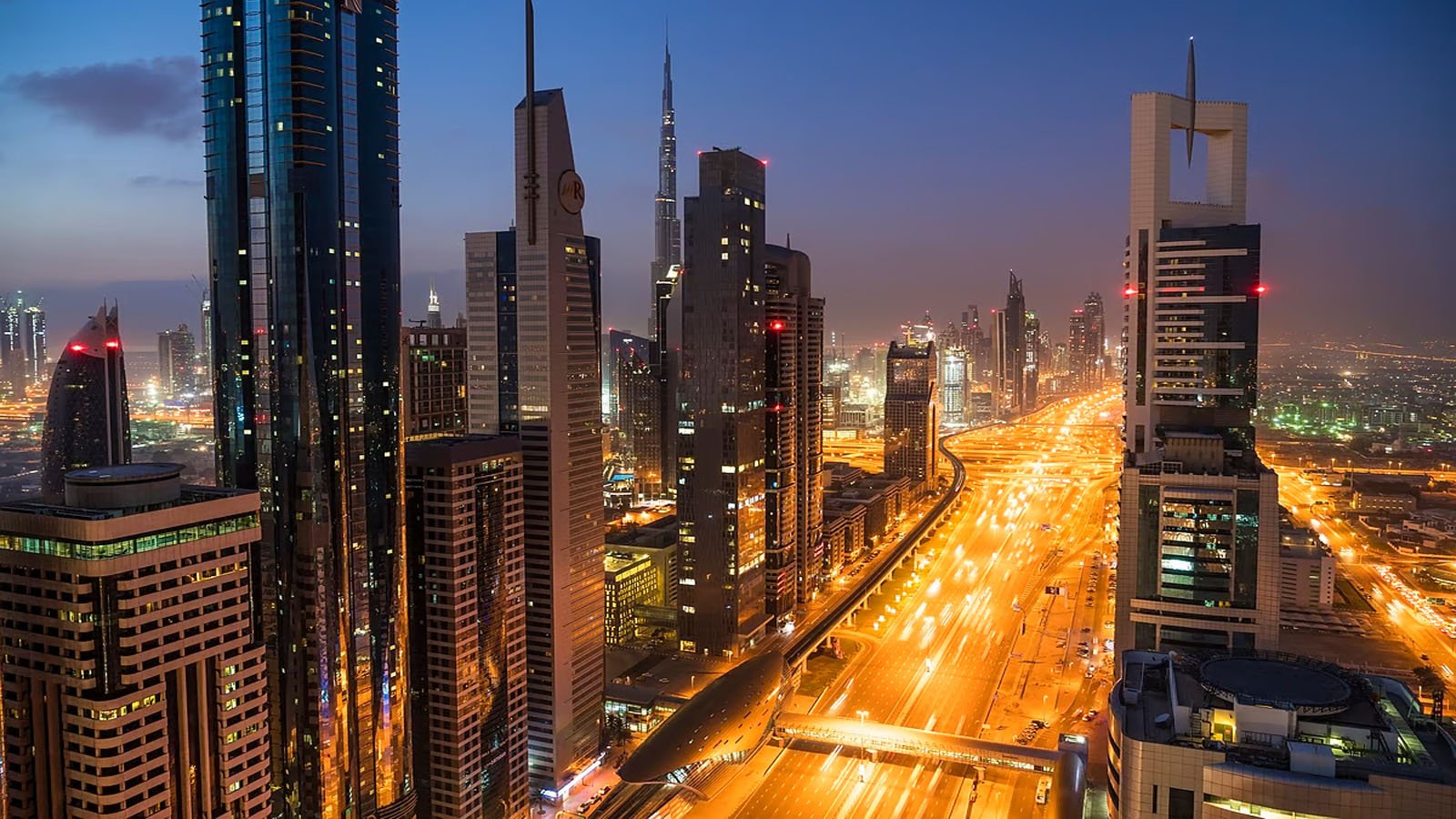
Between January and April 2025, seven quick-win traffic solutions were deployed across Sheikh Zayed Road, resulting in a five to 10 per cent reduction in congestion.
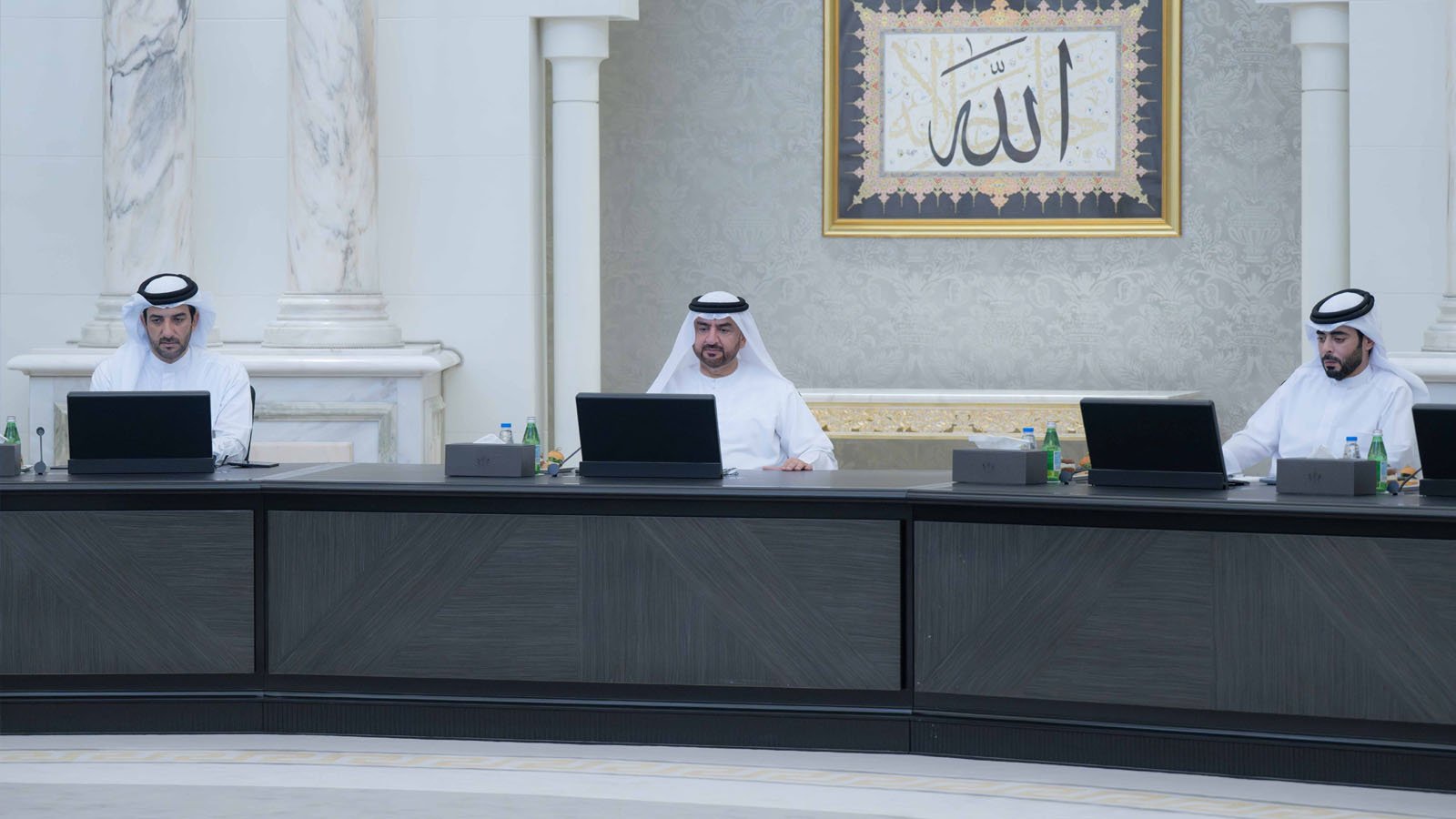
These figures were revealed by Mattar Al Tayer, Director General of the RTA, as he briefed Sheikh Hamdan bin Mohammed bin Rashid Al Maktoum, Crown Prince and Chairman of The Executive Council of Dubai about the key road corridors being developed by the authority to improve traffic flow and mobility across the emirate.
Sheikh Hamdan was also given an update about the implementation timeline for major road infrastructure projects scheduled for completion by 2027, aimed at serving 8 million residents by 2040.
Other road projects
The first phase of a project that connects Umm Suqeim with Al Qudra — which will reduce travel time from 46 minutes to just 11 — has reached 50 per cent completion.
The project, spanning 16km from the junction with Jumeirah Street to the intersection with Emirates Road, will see four key junctions upgraded and the construction of bridges and tunnels totalling 7,000 metres.
This was revealed by Mattar Al Tayer, Director General of the Roads and Transport Authority (RTA) as he briefed Sheikh Hamdan bin Mohammed bin Rashid Al Maktoum, Crown Prince and Chairman of The Executive Council of Dubai, about the key road corridors being developed by the authority to improve traffic flow and mobility across the emirate.
Sheikh Hamdan was also given an update about the implementation timeline for major road infrastructure projects scheduled for completion by 2027, aimed at serving 8 million residents by 2040.
When completed, the Umm Suqeim-Al Qudra corridor will serve several residential and development zones with a combined population exceeding one million. Its capacity is also expected to increase from 8,400 to 12,600 vehicles per hour.
Owing to the scale of the works, the project has been divided into three phases, the first one of which covers upgrades of Umm Suqeim Street from its intersection with Al Khail Road to Sheikh Mohammed bin Zayed Road.
The RTA’s strategic road projects under the 2025–2027 Plan include 57 initiatives featuring the construction of 226 kilometres of roads and 115 bridges and tunnels. Eleven major road corridors will be developed across the emirate, comprising eight vertical corridors and three new routes.
Among the most prominent projects are the upgrades to the Umm Suqeim — Al Qudra Corridor, Hessa Street, Latifa bint Hamdan Street (from Al Khail Road to Emirates Road), Al Meydan Street, Al Mustaqbal Street, the Dubai World Trade Centre roundabout, and Al Fay Road — an extension of Al Khail Road from its intersection with Sheikh Mohammed bin Zayed Road through Sheikh Zayed bin Hamdan Al Nahyan Street to Emirates Road.
Enhancements to Hessa Steet will include the improvement of four intersections through the construction of 9,000 metres of bridges. This will double the road’s capacity to 8,000 vehicles per hour and reduce travel time from 30 minutes to just seven minutes. The project is expected to benefit around 640,000 residents. The project has been completed 60 per cent and parts of it has already been opened to public.
Sheikh Hamdan also reviewed the progress of Al Fay Street Corridor Project, which will serve as an extension of Al Khail Road, running from its junction with Sheikh Mohammed bin Zayed Road, through Sheikh Zayed bin Hamdan Al Nahyan Street, up to the intersection with Emirates Road.
The project involves the construction of 12,900 metres of roadway and the development of five major intersections featuring 13,500 metres of bridges. Once completed, it will deliver additional traffic capacity for about 64,400 vehicles per hour and is expected to benefit around 600,000 residents.